Transit Media Advertising in Bengaluru: Namma Metro, BMTC and Railways
The format that travels with the commuter instead of waiting for them.
Transit media places advertising on and around the systems people use to move through Bengaluru: Namma Metro stations and viaduct pillars, BMTC buses, and railway stations and platforms. Its advantage is dwell: a commuter waiting on a platform or sitting in traffic behind a branded bus gives the message minutes of attention rather than seconds.
What transit media advertising actually is
Transit media covers every advertising surface attached to the movement of people: the vehicle itself, the station or stop where they wait, and the structure the system runs on. In Bengaluru that means three distinct networks with three different audiences: the Namma Metro network operated by BMRCL, the BMTC bus fleet, and the railway stations of the South Western Railway zone.
The format works on a mechanic that roadside media cannot replicate. A hoarding is read in the seconds an approaching driver has available. A metro concourse panel is read by someone standing still with nothing else to look at, and a bus wrap is read by whoever is behind that bus for the length of a signal cycle, then again by an entirely different set of people three kilometres later. One is a moment of exposure; the other is accumulated attention.
It is also the format where operational discipline decides the outcome. Fleet campaigns need vehicle-condition control and route sequencing to keep the branding on the right roads at peak hour. Station media runs on approval cycles, fixed panel inventories and strict installation windows. Both are execution problems more than creative problems, which is why transit is usually bought from operators with a track record on the specific network.
Where transit media works in Bengaluru
Namma Metro Purple Line
Runs east-west through the city between the Whitefield side and Challaghatta, connecting the eastern tech belt to the central business district. Carries the heaviest office-hour load on the network.
Namma Metro Green Line
The north-south spine through Majestic, serving Malleswaram, Rajajinagar, Jayanagar and the southern residential belt.
Namma Metro Yellow Line
The southern corridor toward the Electronic City and Bommasandra industrial belt, serving a dense daily commute to the IT and manufacturing cluster.
Interchange and high-footfall stations
Interchange points such as Majestic and RV Road concentrate transfer traffic, producing the longest dwell and the highest passenger throughput on the network.
BMTC bus network
City-wide coverage including the Volvo airport services, which move branded vehicles along the full Bellary Road corridor several times a day.
Railway stations, South Western Railway
Station and platform media across the Karnataka zone, reaching intercity and suburban passengers with substantial waiting time.
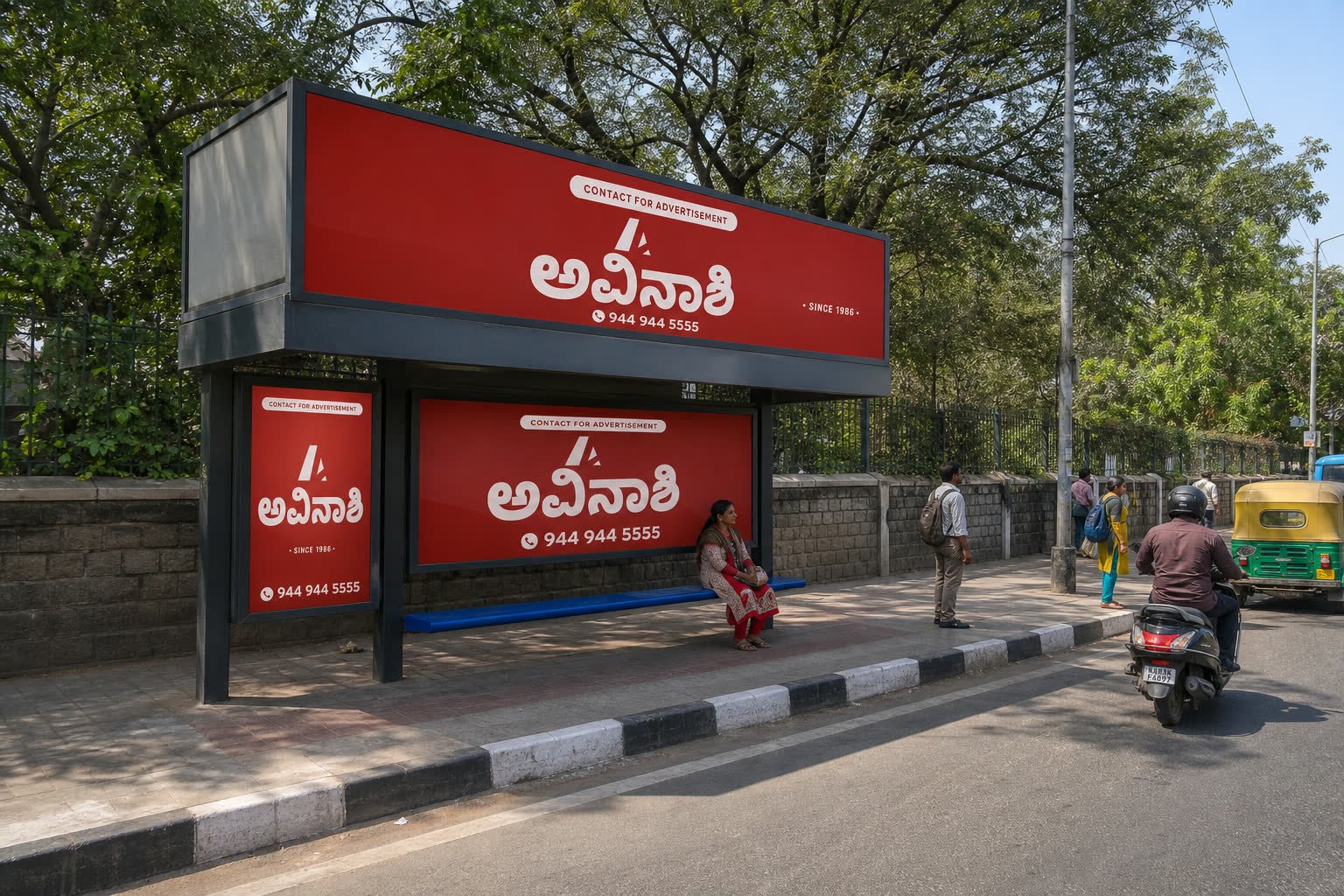
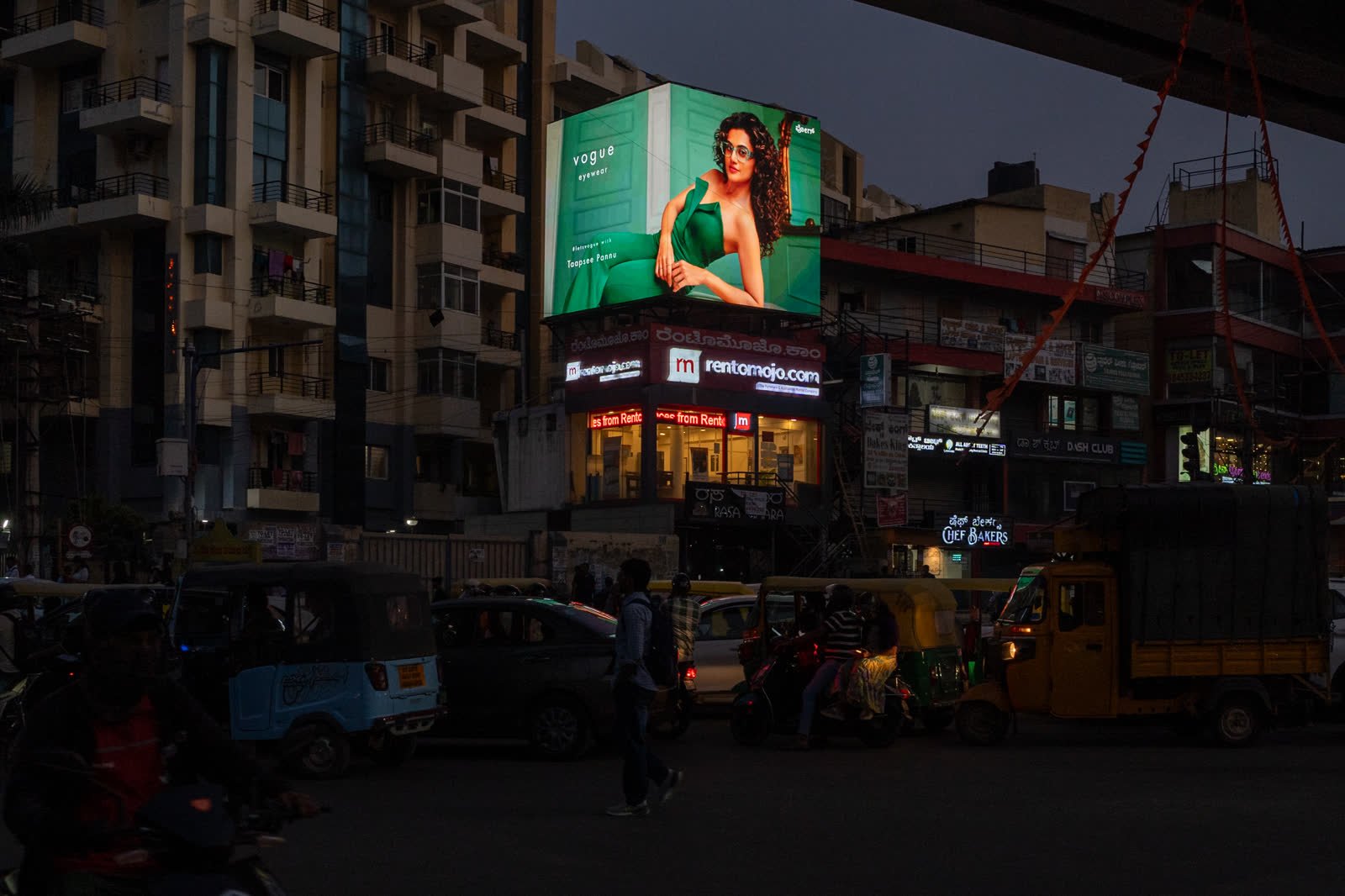
Transit Media installations across Bengaluru
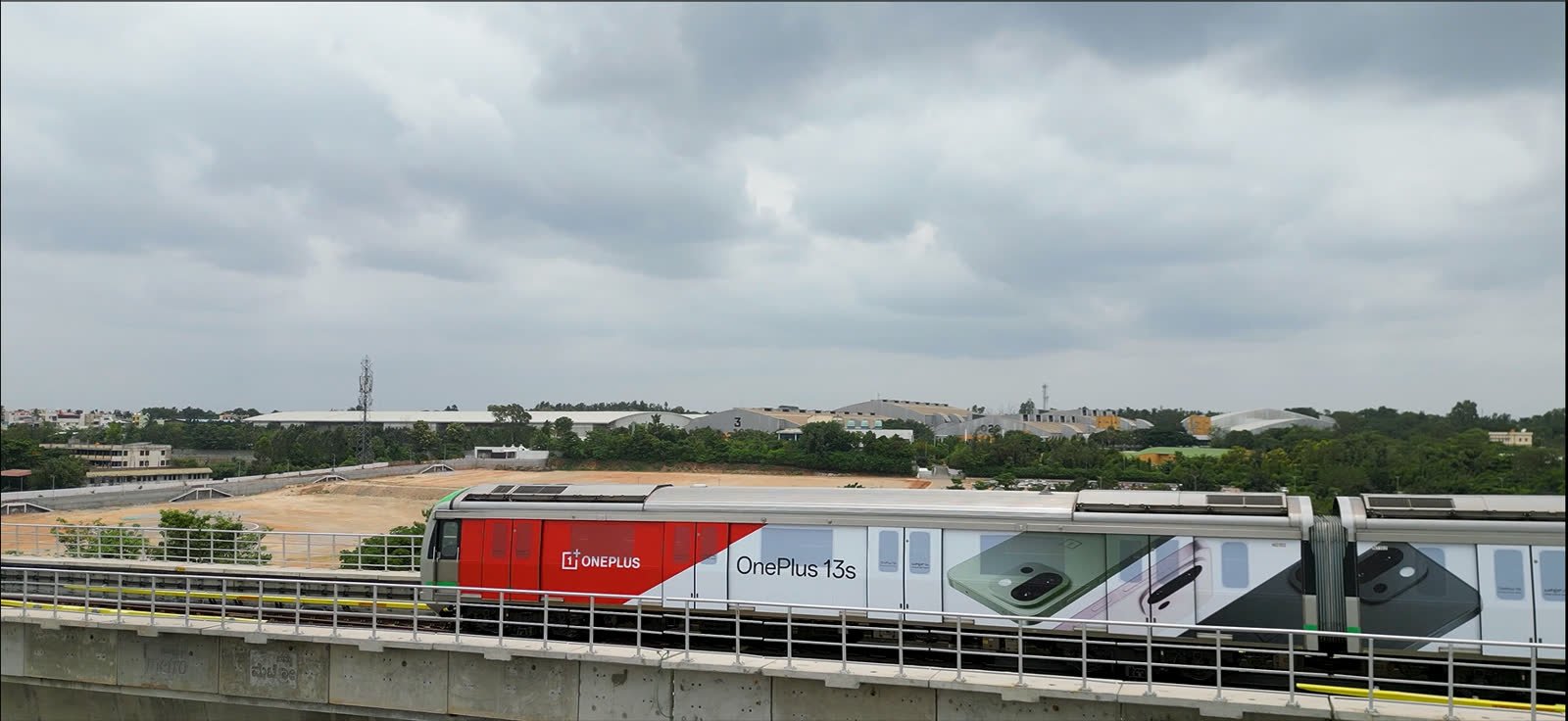
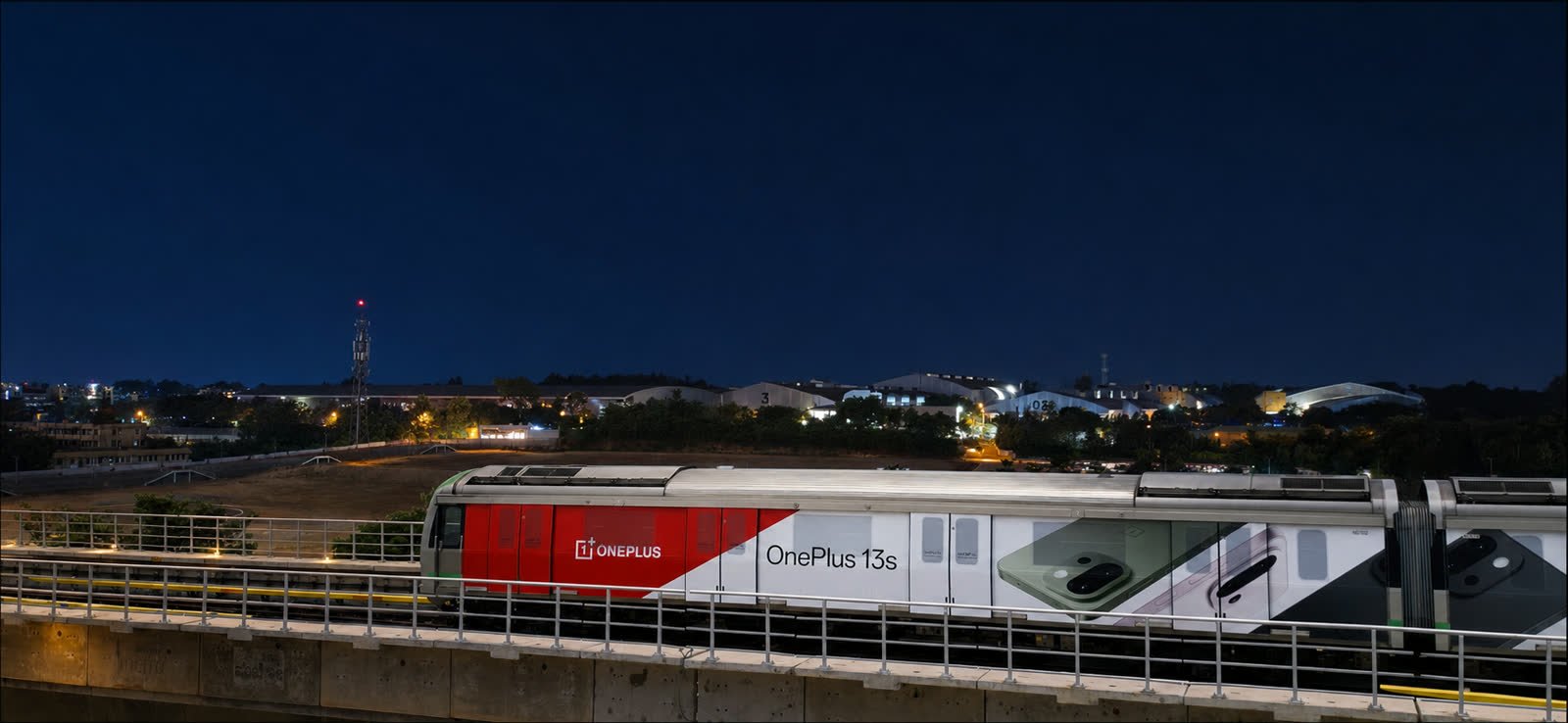
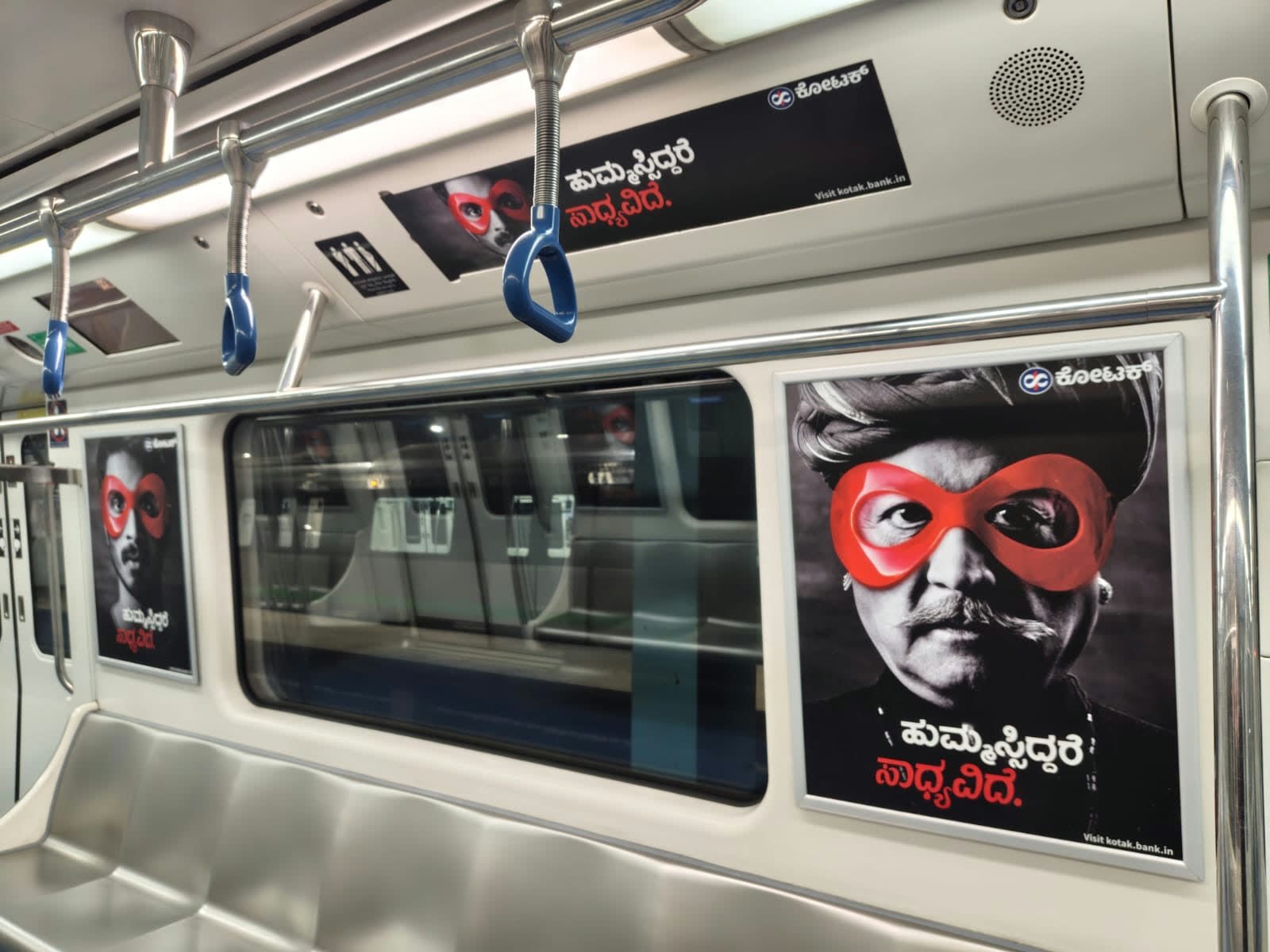
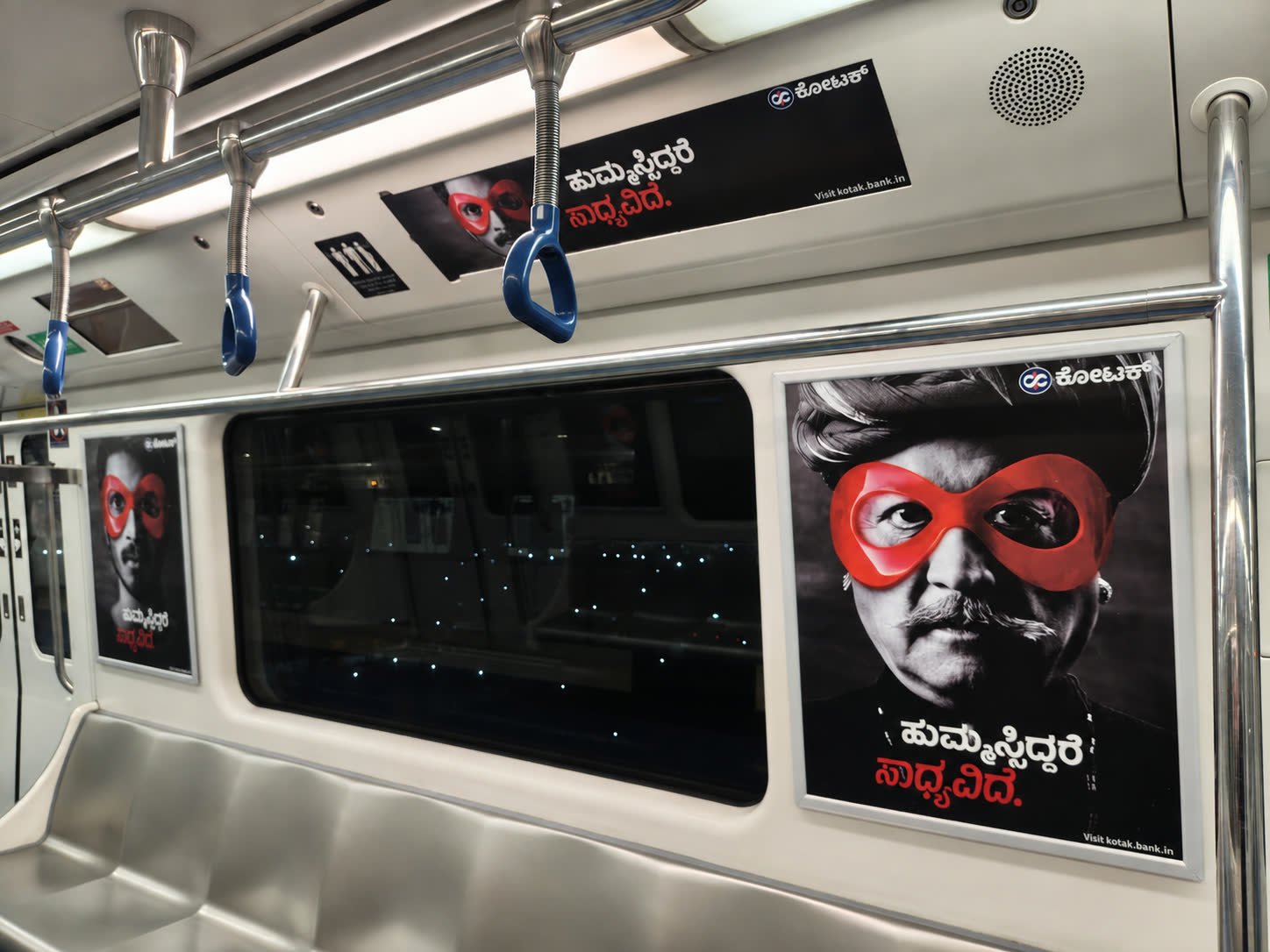
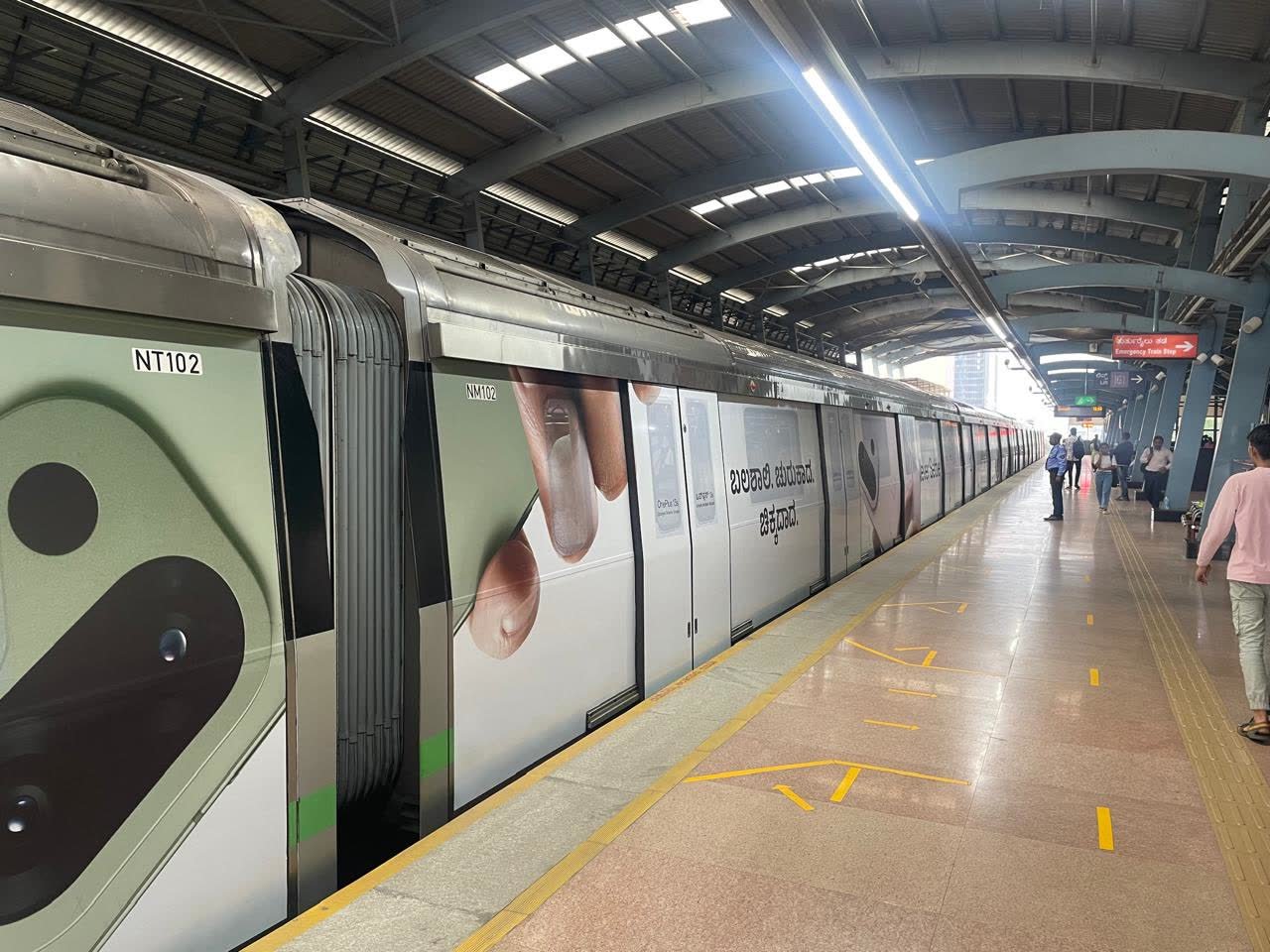
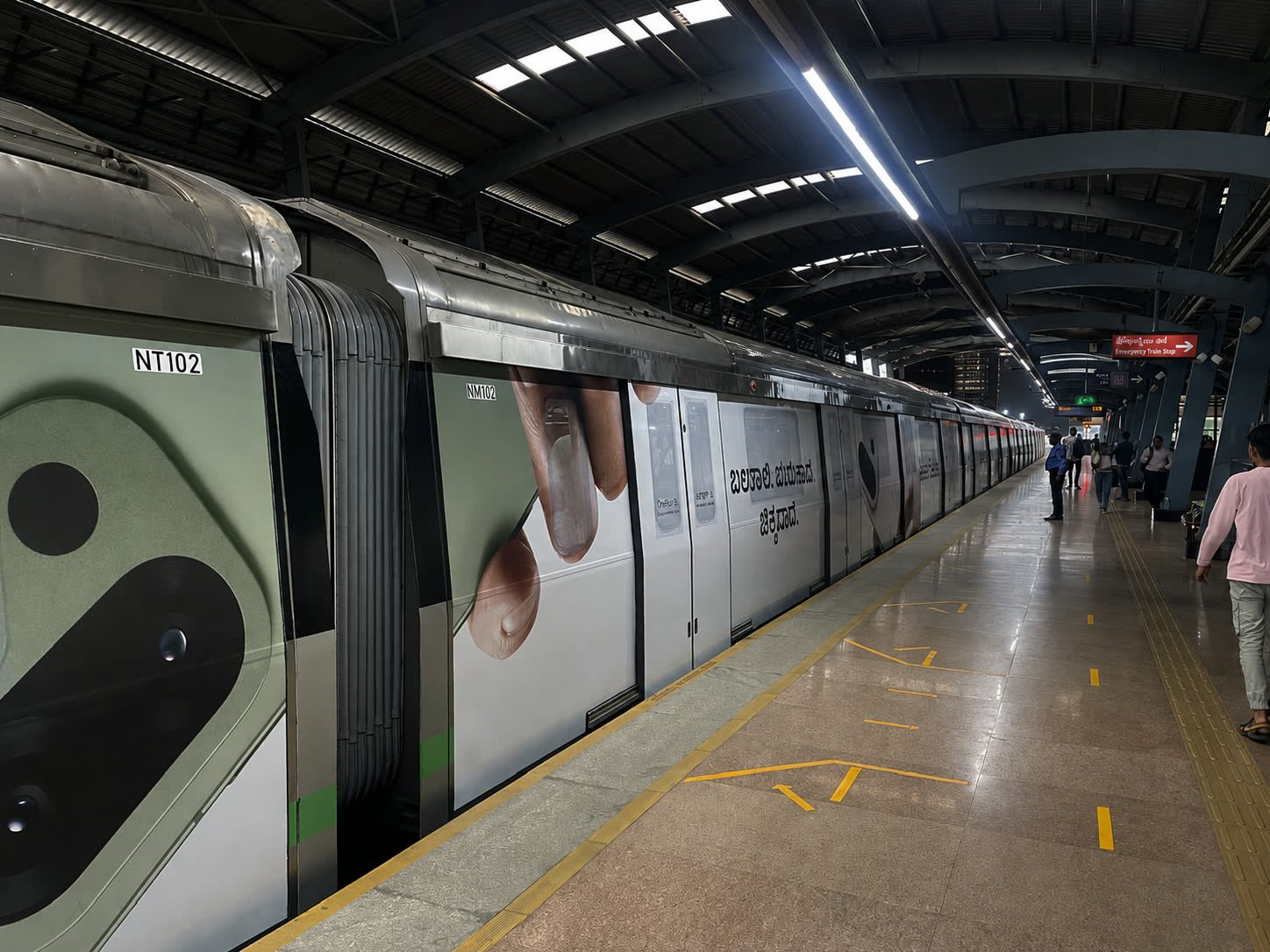
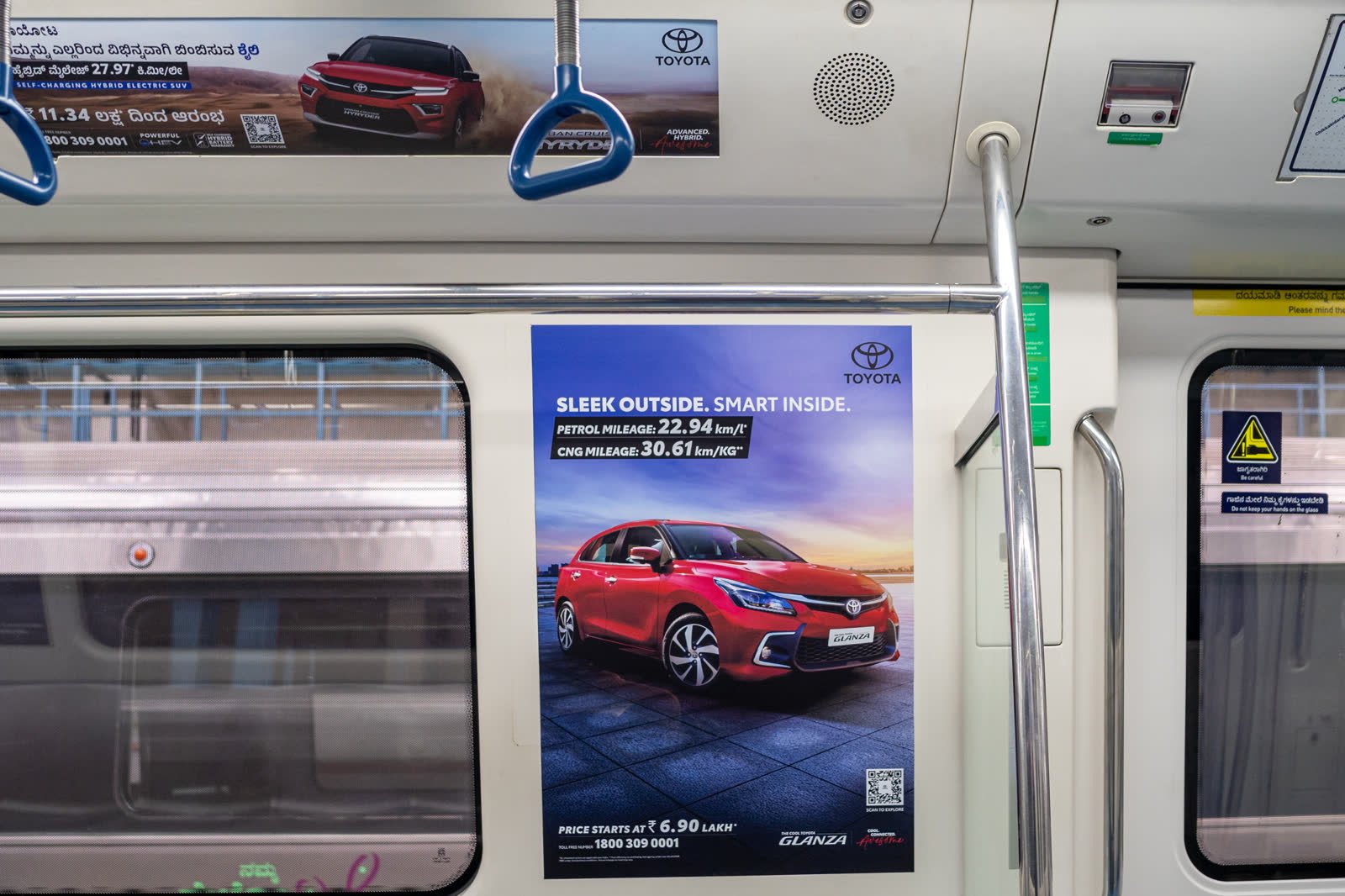
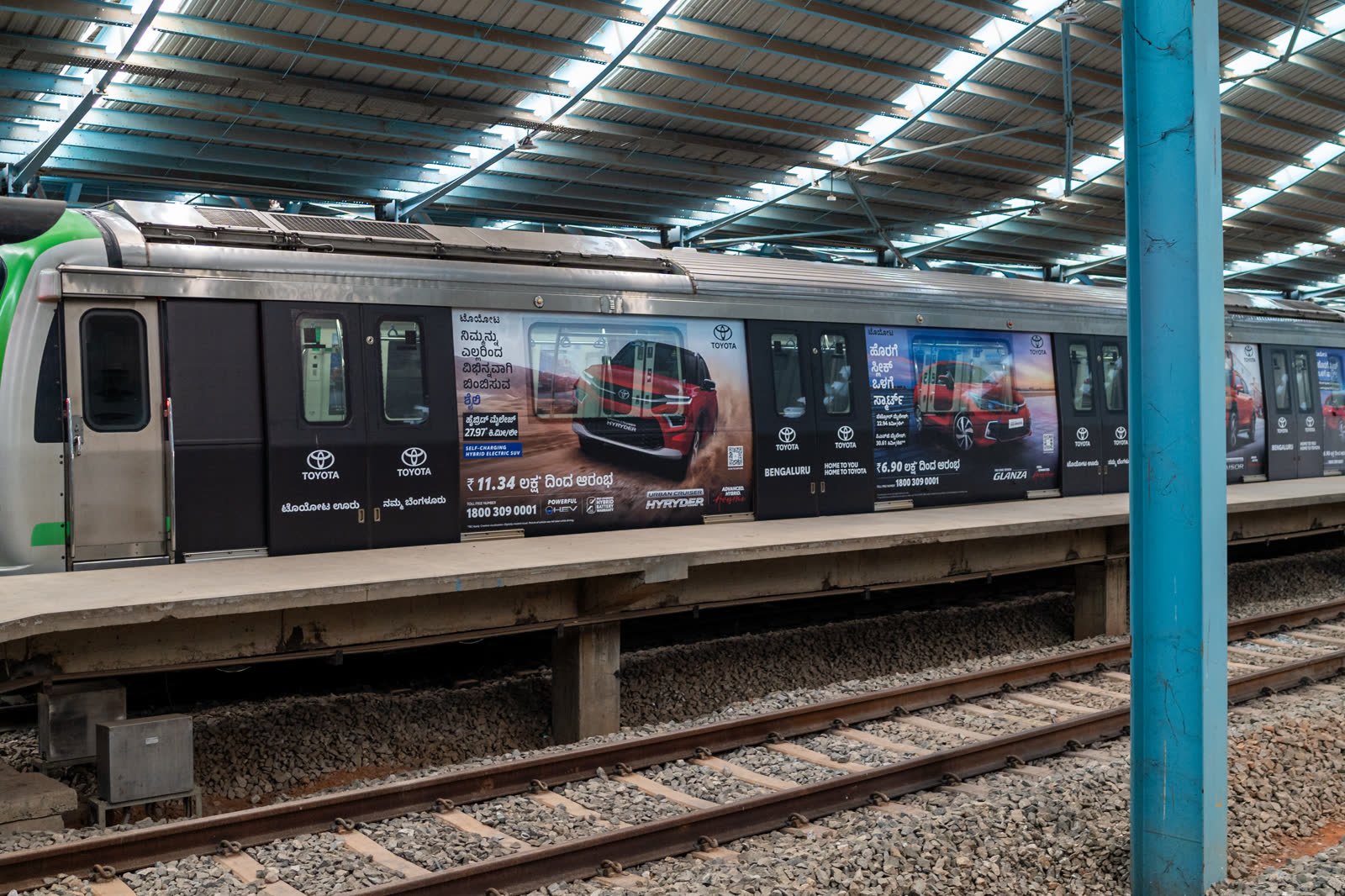
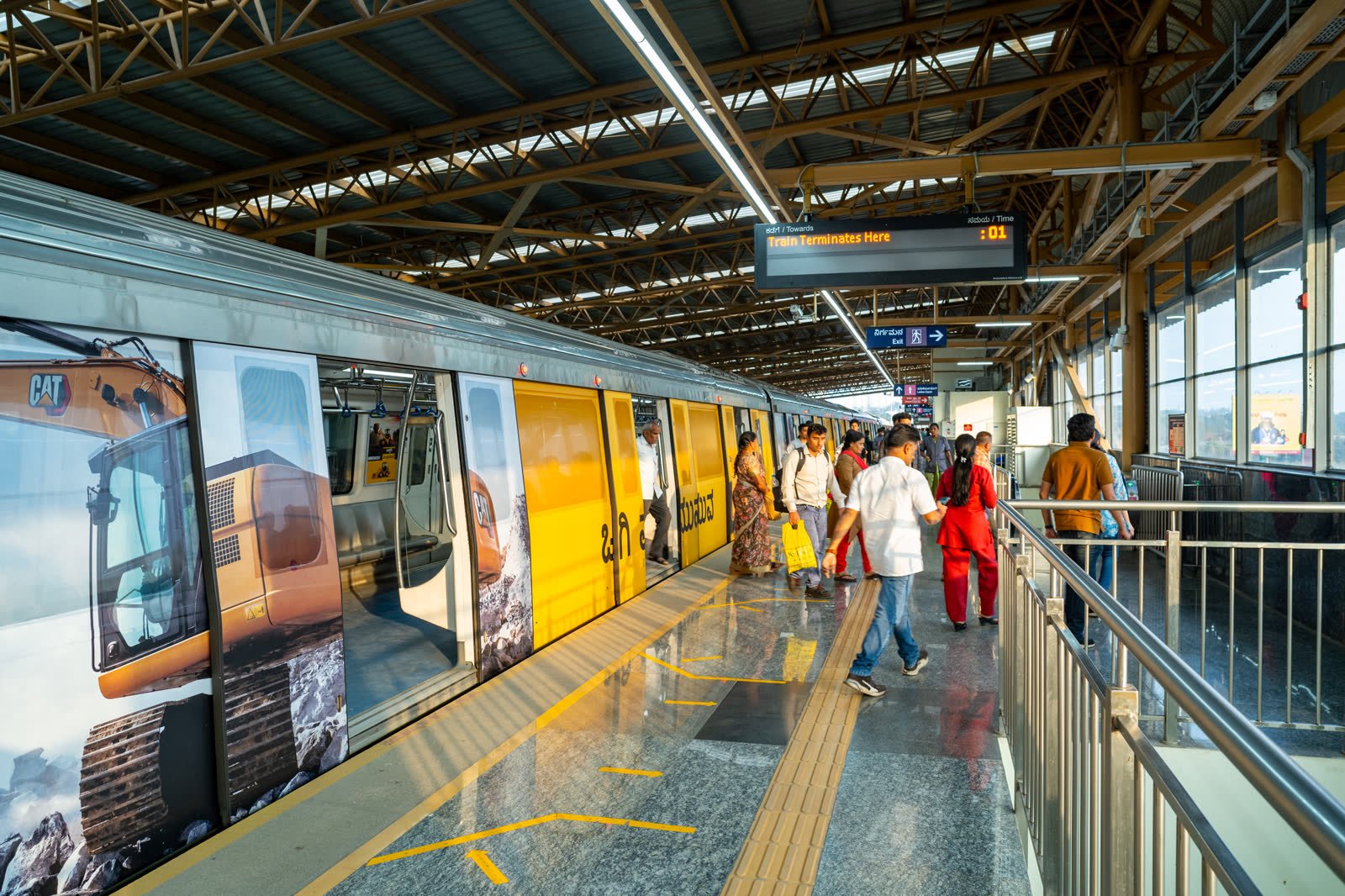
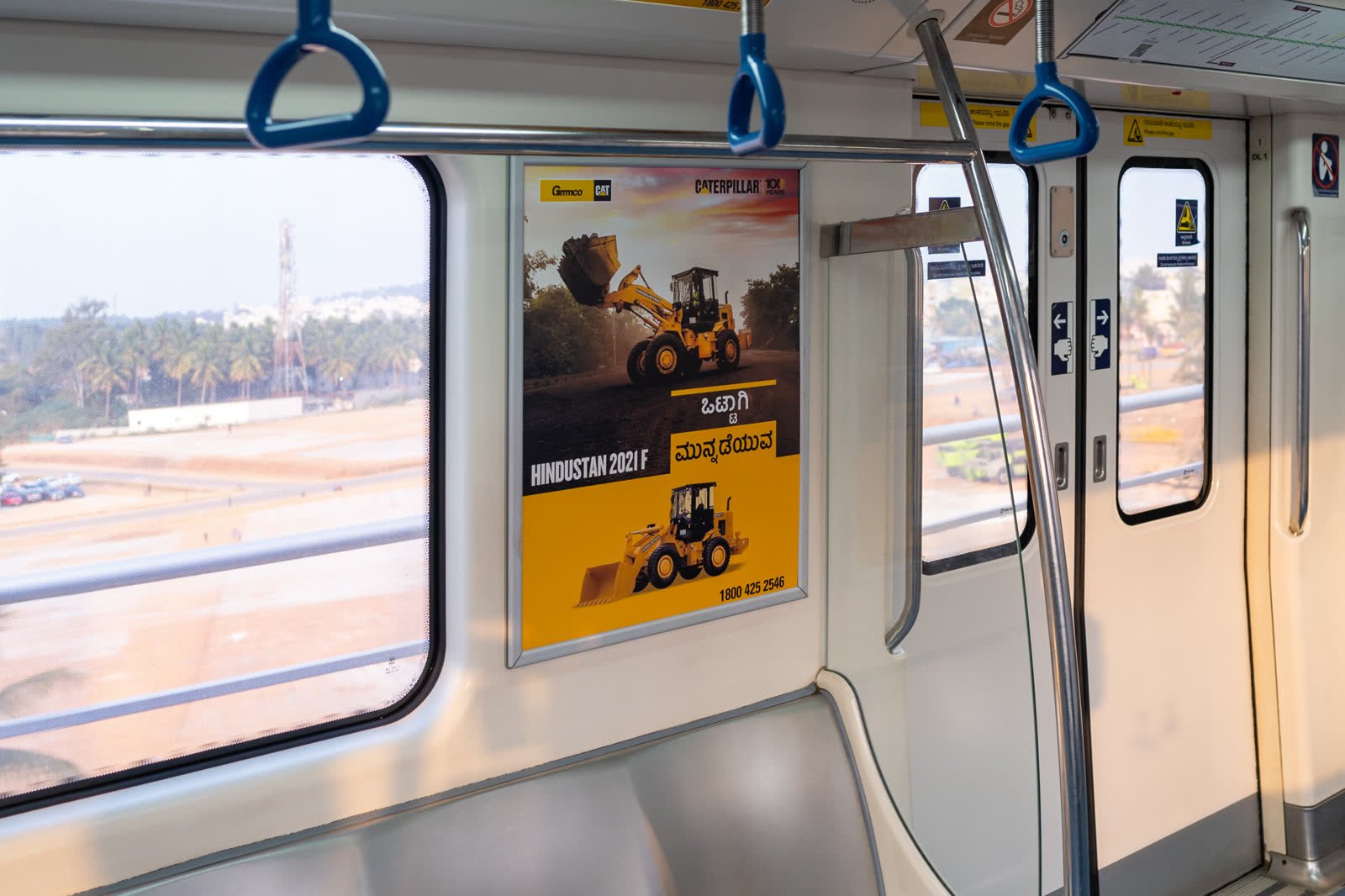
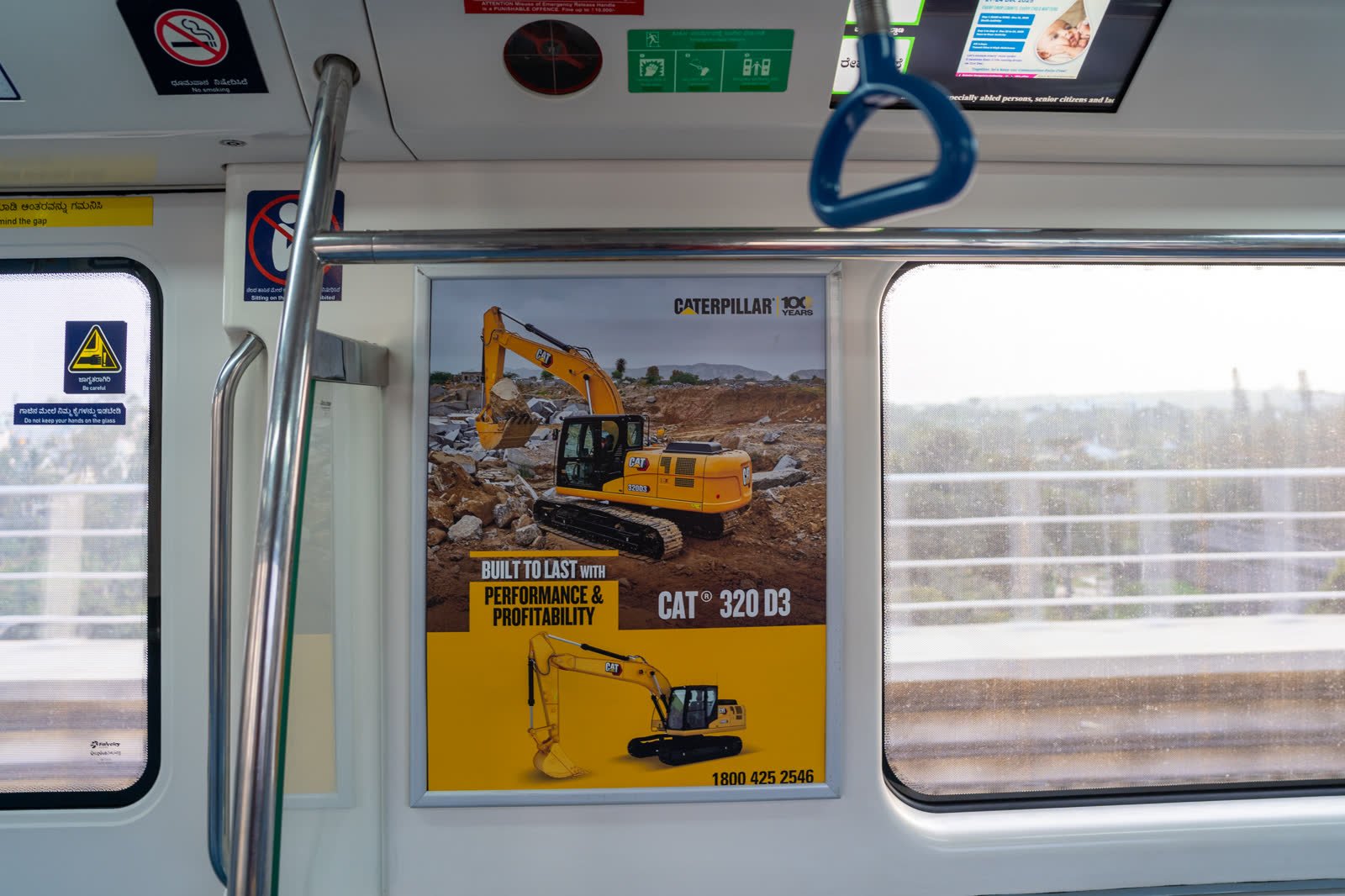
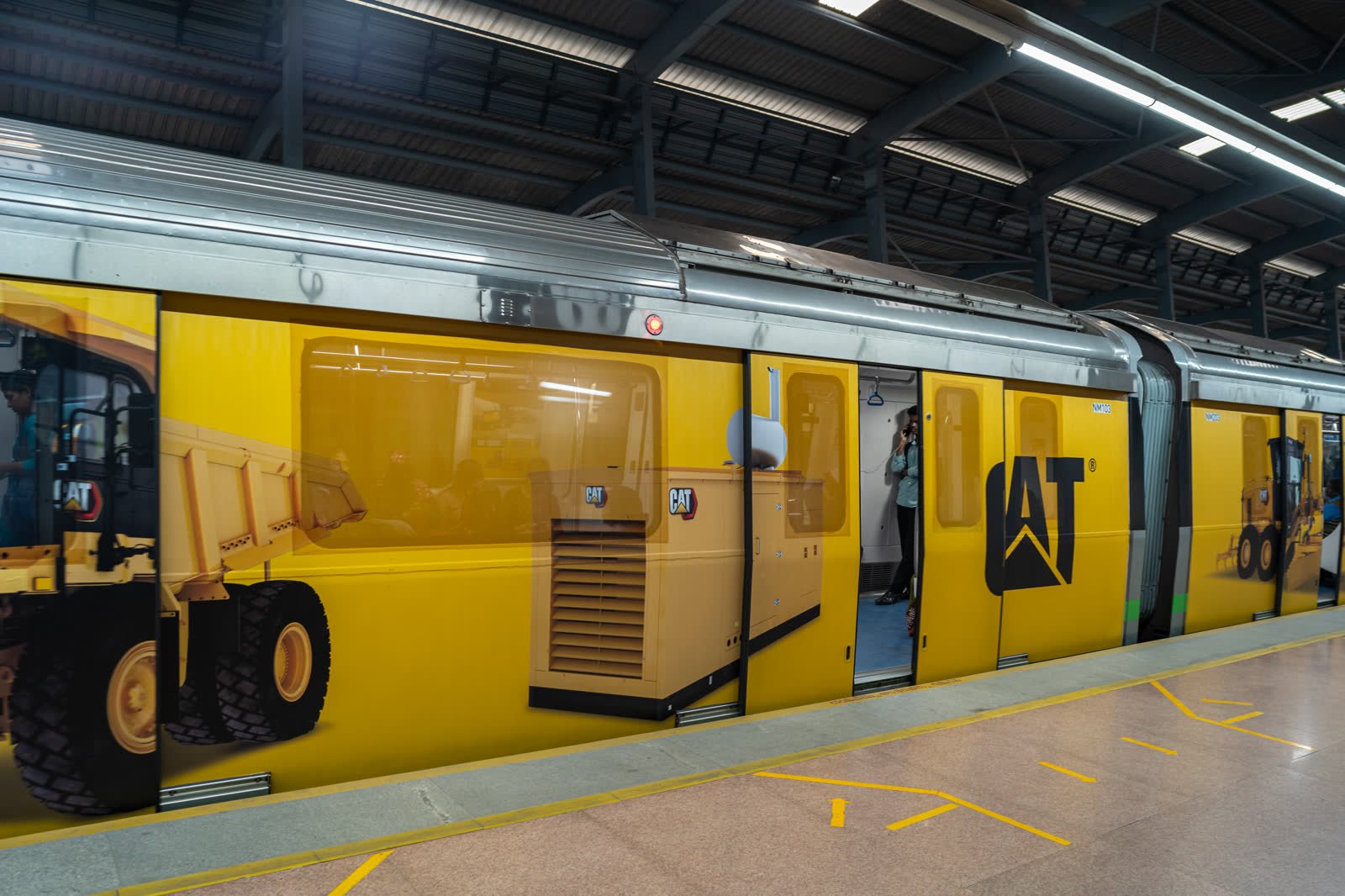
What determines the cost
- Network and line
- Priced against ridership. The busiest metro lines and interchange stations command the highest rates on the network.
- Station tier
- Interchange and CBD stations are priced well above suburban stations on the same line.
- Format and surface area
- A full bus wrap, a half wrap and a rear panel are three different products at three different price points.
- Fleet size
- Bus campaigns are priced per vehicle per month, with the rate improving as the fleet count rises.
- Route allocation
- Committed high-density routes cost more than a general fleet allocation, and are worth it when the campaign has a specific catchment.
- Production
- Cast vinyl and overlaminate for vehicles, and station-grade panel media, priced separately from the media rental.
- Duration
- Longer commitments reduce the effective monthly rate and, on station inventory, improve access to the better panels.
We quote per site after survey, with media, production, statutory fees and taxes itemised separately rather than rolled into a single figure.
Approvals, compliance and structural requirements
- 01
Metro advertising is executed under project approval from Bangalore Metro Rail Corporation Limited (BMRCL), against the inventory, specifications and installation windows the corporation defines. Avinashi Ads secured BMRCL project approval in 2025.
- 02
Bus branding runs under BMTC's advertising framework, with artwork approved before production and vehicles released for wrapping on a scheduled basis rather than on demand.
- 03
Railway media is executed under the tender or contract terms of the relevant railway zone. Avinashi Ads held a five-year South Western Railway advertising tender from 2007 to 2012 and executed the renewed 2013 tender.
- 04
Content approval is stricter on transit than on roadside media. Operators review creative for safety, statutory content requirements and category restrictions before production, so artwork timelines must allow for a review round.
- 05
Installation on live networks happens in defined windows (night depots for fleet, non-revenue hours for station work), which is a scheduling constraint to plan around, not a negotiable one.
- 06
GST applies on the media and production invoice. Statutory advertisement fees, where levied, are billed at actuals against the sanction receipt.
How a campaign runs, start to finish
- 01
Network selection
Metro, bus, railway or a combination, chosen against where the target audience actually travels rather than against headline ridership.
- 02
Inventory check
Live availability on the specific stations, panels or fleet size for the intended window. Transit inventory is finite and moves quickly.
- 03
Proposal and booking
Formats, positions, route allocation and duration confirmed with the operator.
- 04
Artwork and operator approval
Creative submitted for review against operator content and safety rules. We build the review round into the schedule so it does not become a delay.
- 05
Production
Cast vinyl for fleet, panel media for stations, produced to the operator's specification.
- 06
Installation
Fleet wrapped in depot windows, station media installed in permitted non-revenue hours.
- 07
Go-live documentation
Photographic record of every wrapped vehicle and every installed panel.
- 08
Monitoring
Condition audits through the run, with re-wrap or panel replacement on damage.
Best suited for
- Brands targeting the daily office commute across the IT corridors
- Consumer apps and services with a young, urban, smartphone-first audience
- Retail and mall campaigns keyed to nearby metro stations
- Recruitment and education campaigns aimed at commuting students and early-career professionals
- Launches needing city-wide movement rather than a single fixed landmark
- Campaigns with a defined corridor catchment rather than a citywide brief
What we have executed in this format
2025 to present
BMRCL metro project approval
Project approval from Bangalore Metro Rail Corporation Limited covering structured advertising across the Namma Metro network (station branding, concourse media and corridor placements), brought on the strength of our civic and railway compliance record.
2007 to 2012, renewed 2013
South Western Railway advertising tender
A five-year railway advertising tender executed station by station across designated SWR zones in Karnataka, covering station hoardings, platform branding and overhead structures with periodic audits and renewal-ready documentation. Long-format public tenders are held on paperwork and delivery discipline as much as on media, and this one established both.
Ongoing
BMTC fleet branding programmes
Bus and auto fleet campaigns coordinated across selected commuter routes, sequenced so branded vehicles surface on the busiest stretches at peak hours, with compliance, vehicle quality control and weekly visibility audits managed end to end.
Transit media in Bengaluru: frequently asked questions
How does advertising on Namma Metro work?
Metro advertising is sold against BMRCL-defined inventory (station panels, concourse media, entry and exit branding, and viaduct pillar wraps) and executed under project approval from the corporation. Artwork is reviewed before production and installation happens in non-revenue hours. Avinashi Ads has held BMRCL project approval since 2025.
Which Bengaluru metro line is best for advertising?
It depends on the audience, not on total ridership. The Purple Line carries the heaviest office-hour load between the eastern tech belt and the centre; the Green Line runs the north-south residential spine through Majestic; the Yellow Line serves the Electronic City and Bommasandra commute. Interchange stations concentrate the longest dwell on any line.
How much does BMTC bus advertising cost?
Bus branding is priced per vehicle per month, and varies with format: a full body wrap, a half wrap and a rear panel are three different products. Fleet size and route allocation are the main levers: a larger fleet improves the per-vehicle rate, while committing to specific high-density routes costs more than a general allocation.
Can I advertise inside metro trains as well as at stations?
Interior and train-exterior inventory is defined and released by the operator, and availability varies by network and period. We check live availability against your window rather than quoting from a standing rate card, because transit inventory moves quickly.
How long does a bus wrap last?
Cast vinyl with a weather-grade overlaminate holds up well beyond a typical campaign period. Practical life is limited by vehicle washing cycles and road conditions rather than by the film, and condition is audited through the run with re-wraps handled on damage.
Is transit media better than a hoarding?
They solve different problems. A hoarding fixes a message at a location the audience passes; transit media moves the message across the city and buys dwell time from a waiting audience. Campaigns with a defined corridor catchment often use both: hoardings to anchor the route and transit to carry it.
How far ahead should transit media be booked?
Earlier than roadside. Station inventory is finite, fleet release happens on the operator's schedule, and artwork needs an approval round before production, so a window of several weeks between confirmation and go-live is realistic, longer around festival quarters.
Planning a transit media campaign in Bengaluru?
Tell us the audience and the window. We will come back with sites, availability and an itemised quote.